5 Reasons Why Having a Cybersecurity Team on Retainer Is One of the Smartest Moves You Can Make

In today’s ever-changing cybersecurity landscape, the threats never really stop. Organizations of all sizes are constantly being tested—by new attack methods, evolving ransomware strains, and increasingly sophisticated phishing campaigns.
While strong prevention measures are essential, smart businesses are realizing that preparation for what happens next is just as critical. That’s where incident response retainers come in—a proactive way to ensure your team isn’t caught off guard when every second counts.
What Exactly Is an Incident Response Retainer?
Think of it as a “ready-to-go” agreement with a trusted cybersecurity team. It lays out exactly how and when the team will respond if your organization experiences a cyber incident.
Instead of scrambling to find help in the middle of a crisis, an incident response retainer ensures you already have experts on standby—ready to jump in, contain the situation, and guide your recovery.
This level of preparedness turns a potential disaster into a managed, coordinated response.
Why an Incident Response Retainer Matters
1. Speed Is Everything
When a breach happens, time isn’t on your side. The faster you can respond, the less time an attacker has inside your network—and the less damage they can do. Having a team already familiar with your environment means you get immediate action instead of delay and discovery.
2. Reduce Damage and Downtime
Cyber incidents can do more than steal data—they can bring operations to a halt. A well-prepared response plan helps limit both the scope and the duration of disruption, keeping your team focused on recovery instead of chaos.
3. Stay Compliant and Accountable
Regulations around data protection and privacy are stricter than ever. Having a response team on retainer demonstrates diligence and helps you meet key legal and industry compliance requirements when reporting or mitigating an incident.
4. Protect Your Reputation
Customers, partners, and stakeholders want to know they can trust you with their data. A quick, transparent, and professional response to a cyber event helps maintain confidence—even when things go wrong.
5. Build Continuous Resilience
Incident response retainers often include post-incident reviews and improvement recommendations. Each response becomes a learning opportunity to strengthen your overall security posture and reduce the likelihood of repeat incidents.
Types of Incident Response Retainers
Continuous Retainers
You get 24/7 access to a dedicated cybersecurity team for ongoing coverage. This is ideal for organizations with high-security demands or who operate in industries frequently targeted by cybercriminals.
Subscription-Based Retainers
A flexible model where you purchase a set number of hours or incidents per month for a fixed fee. Perfect for organizations that want scalability and predictable costs.
Incident-Based Retainers
A more reactive model that activates only when needed. It’s a lower upfront cost, but response time may be slower since engagement begins after an incident occurs.
Managed Detection and Response (MDR)
A comprehensive option combining proactive threat detection, continuous monitoring, and incident response. It’s ideal for businesses seeking around-the-clock visibility and protection.
Be Ready Before You Need to Be
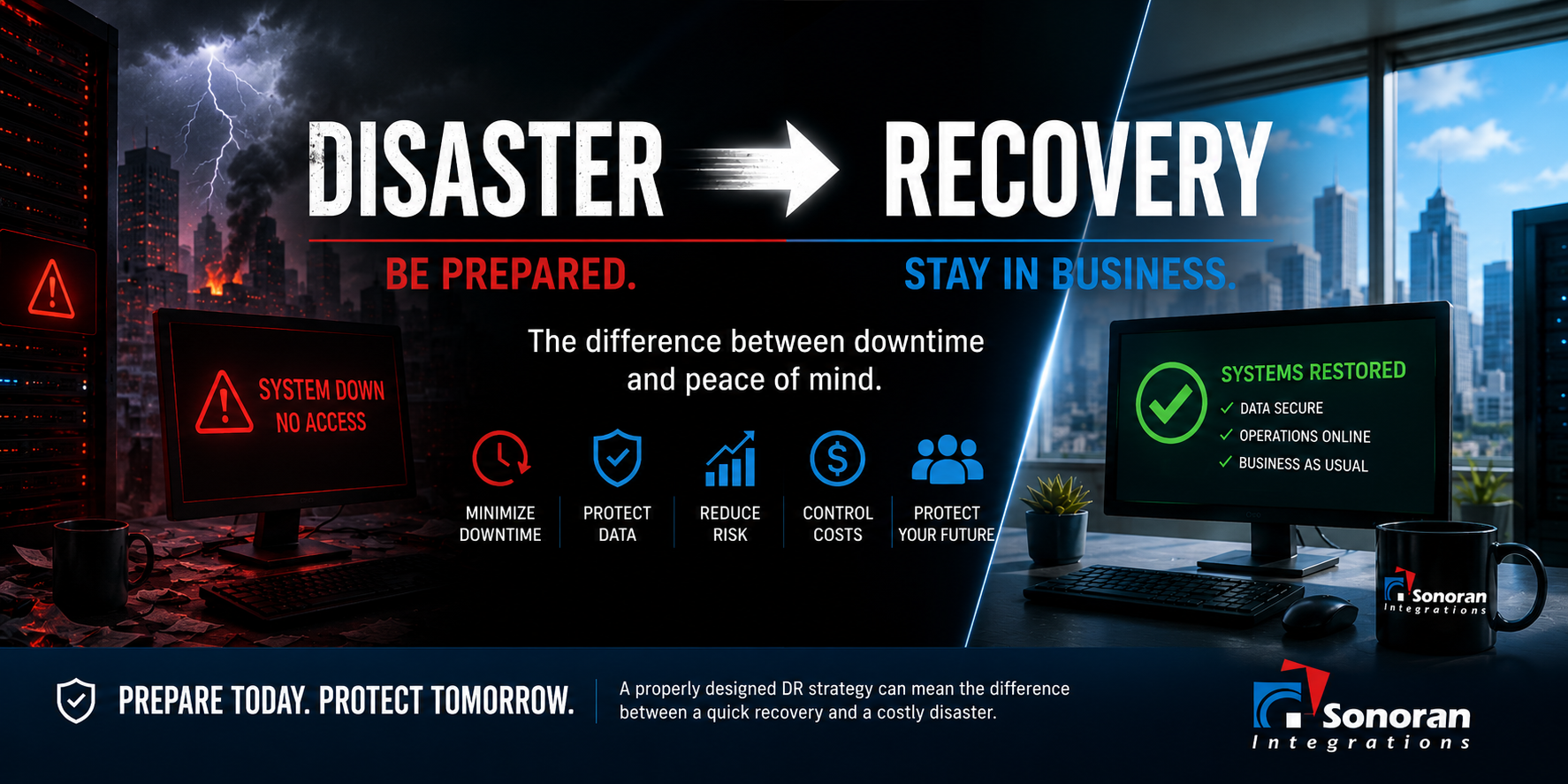
The truth is, no one expects a cyber incident—until it happens. And when it does, the difference between a quick recovery and lasting damage often comes down to how prepared you were before it started.
At Sonoran Integrations, we help organizations stay one step ahead with incident response retainers that ensure you’re never facing a crisis alone. Our cybersecurity team becomes an extension of yours—ready, responsive, and equipped to act the moment you need us.
Let’s talk about how to make your organization incident-ready.
Reach out to the Sonoran Integrations team today to learn how a cybersecurity retainer can help you stay secure, resilient, and ready for whatever comes next.